
The 2026-27 concert season at Koerner Hall runs from June through May, with the heaviest concentration of performances between September and April when international touring artists and resident ensembles follow the academic calendar. This 18th season launched on June 16, 2026, and features over 80 performances that span everything from chamber music to global sounds, making Toronto’s acoustic jewel a year-round destination for travelers seeking world-class cultural experiences.
Timing your visit around Koerner Hall overview performances requires understanding how touring schedules, festival partnerships, and the Royal Conservatory’s programming philosophy shape when concerts happen. Fall brings signature events like James Ehnes’s 50th Birthday Tour in early October, while winter months host intimate recitals and ensemble residencies. Spring showcases emerging artists alongside established names before the season winds down in late May.
Concert density shifts with global touring cycles and academic rhythms. September through November sees a surge as artists launch North American tours, while January and February often feature chamber works and collaborative projects with local musicians. This rhythm creates distinct windows for different audience preferences, whether you’re drawn to virtuoso soloists, genre-crossing collaborations, or deep dives into specific repertoire. Planning around these patterns lets you catch both blockbuster performances and hidden gems that define Toronto’s place on the international concert map.
Best Times to Experience Koerner Hall’s Concert Season
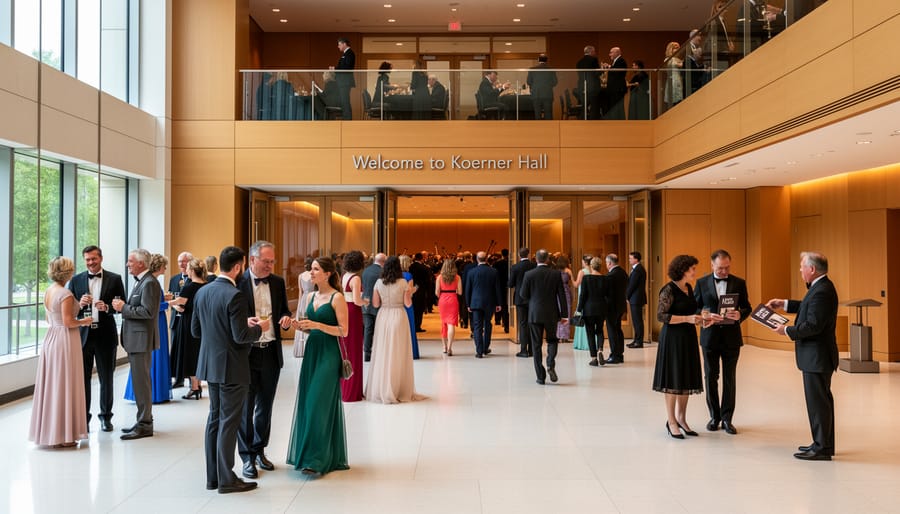
The 18th season begins June 16, 2026 marking the start of over 80 performances that stretch through spring 2027. For travelers planning cultural itineraries, the sweet spot arrives in early fall when programming accelerates and Toronto’s arts calendar reaches full momentum. October stands out with premiere performances including James Ehnes’s 50th Birthday Tour on October 2, Vieux Farka Touré bringing Malian blues on October 3, and the ARC Ensemble’s chamber music on October 4.
Winter months deliver concentrated programming around holidays and January’s traditional classical music peaks, while spring brings touring artists wrapping North American legs before European summer festivals. The season arc follows a rhythm familiar to seasoned concert-goers: summer launches with lighter fare, autumn builds intensity with major soloists and ensembles, winter sustains momentum through themed programming, and spring offers valedictory performances before the cycle renews.
Tickets went on sale well ahead of the June launch, giving domestic planners months to secure premium seats and international travelers ample runway to lock in flights and accommodation. Early September through late November consistently yields the highest density of marquee performances, making it the strategic window for visitors wanting maximum cultural return on a single Toronto trip.
Season Windows and Programming Peaks
Fall Season Highlights (September, November)
September through November captures Toronto at its most vibrant, when crisp autumn air draws culture-seekers to Koerner Hall for an extraordinary lineup of world-class performances. The fall roster blends celebrated virtuosos with boundary-pushing artists, creating ideal timing for travelers who want to combine Ontario’s famous fall foliage with unmissable musical experiences.
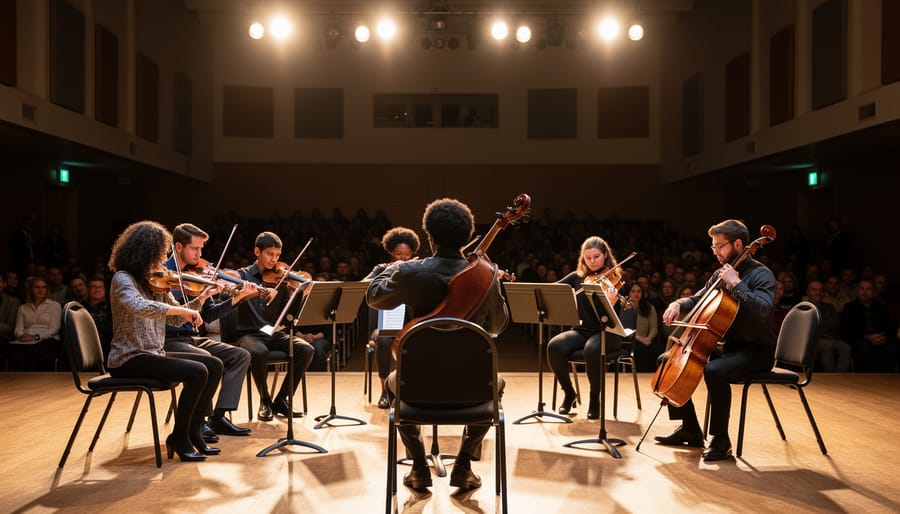
The season accelerates with James Ehnes and Vieux Farka dates that showcase the venue’s eclectic programming. On October 2, James Ehnes’s 50th Canada Birthday Tour brings decades of violin mastery to the hall’s renowned acoustics, while October 3 shifts to the hypnotic desert blues of Vieux Farka Touré. The ARC Ensemble on October 4, 2026, adds chamber music intimacy with its afternoon performance. Earlier highlights include Joaquín Valdepeñas Conducts on September 20, demonstrating the season’s commitment to diverse musical voices.
Fall’s appeal extends beyond the concert hall. International visitors discover that autumn programming coincides with Toronto’s peak cultural calendar, film festivals, gallery openings, and temperate weather perfect for exploring the city between performances. The concentration of marquee artists during these months reflects touring schedules that align academic year launches with artist availability, creating a natural sweet spot for those planning cultural travel around premium concert experiences.
Winter and Spring Concert Calendar
Winter months at Koerner Hall bring intimate chamber music evenings and holiday-themed performances that appeal to travelers seeking cultural warmth during Toronto’s coldest season. December programming typically features festive concerts and seasonal works, while January and February spotlight Canadian artists and visiting international ensembles who schedule North American tours during this period. The venue’s acoustics shine particularly during smaller ensemble performances common in these months.
Spring programming builds toward the season finale with major orchestral works and celebratory performances. March through May sees touring artists who’ve completed European winter seasons, plus The Royal Conservatory’s own musicians presenting ambitious programs. April often brings world premieres and collaborations with other Toronto arts institutions, creating rich cultural weekends for visitors. The season traditionally closes in late May or early June with flagship performances that set the tone for the following year’s announcement.
For travelers, winter offers more intimate concert experiences with potential ticket availability closer to performance dates, while spring’s bigger productions require earlier booking. Both seasons provide excellent opportunities to combine concerts with Toronto’s indoor cultural attractions when outdoor exploration proves less appealing.
What Shapes Concert Timing at University Venues
University concert venues operate within a complex ecosystem of constraints and opportunities that determine when performances reach the stage. Understanding these forces helps travelers grasp why certain artists appear at specific times and how to align their visits with the programming they most want to experience.
Academic calendars exert the strongest influence on concert scheduling at university venues like Koerner Hall. The Royal Conservatory structures its season around educational programming, with major performances typically avoiding exam periods and institutional breaks. This creates natural peaks in September through November and January through April, when students and faculty are active and the broader arts community is engaged. The 2026-27 season’s June 16 launch reflects this pattern, positioning the announcement at the academic year’s transition point when planning for fall programming solidifies.
Artist availability shapes the calendar just as significantly. World-class performers like James Ehnes, whose 50th Birthday Tour arrives October 2, coordinate multi-city itineraries across continents. University venues secure dates within these broader touring windows, which means marquee performances often cluster when international artists route through Toronto. The presence of Vieux Farka Touré on October 3 and ARC Ensemble on October 4 demonstrates how touring logistics create concentrated performance periods that benefit travelers seeking multiple experiences.
- Touring Cycles
- The seasonal patterns when international artists route through North American venues, typically concentrated in fall and spring when travel conditions are favorable and festival circuits are active.
- Artist Residencies
- Extended partnerships where performers appear multiple times throughout a season, offering travelers deeper engagement with specific artists and more flexible attendance options.
- Festival Partnerships
- Collaborative programming where university venues align with citywide cultural events, concentrating performances during specific windows to maximize audience crossover and tourism impact.
- Conservatory Scheduling
- The coordination of public performances with educational programming, masterclasses, and student recitals that influences venue availability and creates thematic concert groupings.
Cultural festivals and citywide events also drive timing decisions. Toronto’s position as a hub for Ontario tourism success means concert venues coordinate with major arts festivals, film premieres, and seasonal celebrations. This strategic alignment creates windows when multiple cultural experiences overlap, making certain months particularly rewarding for visitors planning comprehensive cultural itineraries.
Weather and travel patterns influence programming more subtly. Fall and spring shoulder seasons attract both touring artists and cultural travelers, while winter programming capitalizes on holiday visitors and January arts enthusiasts seeking indoor experiences. Summer launches serve announcement purposes but fewer actual performances, with the season building momentum as autumn approaches and the city’s cultural energy intensifies.
Planning Your Concert Visit: Booking and Travel Timing

Smart concert-goers secure their Koerner Hall tickets as soon as the 2026-27 season goes on sale, giving themselves maximum flexibility for travel planning. With over 80 performances across the calendar, you’ll want to match your visit to specific artists or musical styles that resonate with your interests. High-demand performances like James Ehnes’s 50th Birthday Tour on October 2, 2026, warrant immediate booking, while weeknight chamber concerts often retain availability closer to showtime.
The sweet spot for booking premium performances is three to four months ahead, allowing you to lock in preferred seating while coordinating flights and accommodation. For travelers flying into Toronto, this timeline lets you capture reasonable airfares and hotel rates before major tourism peaks. Weekend performances naturally sell faster than midweek dates, so if your schedule allows flexibility, Tuesday through Thursday concerts offer both better availability and quieter city exploration.
- Research the full Koerner Hall programming calendar to identify performances matching your musical preferences and travel dates
- Book concert tickets immediately for marquee artists, securing center orchestra or parterre seating for optimal acoustics
- Arrange accommodation in downtown Toronto within walking distance or short transit ride to Bloor Street
- Schedule pre-concert dining reservations in Yorkville or the Annex neighborhood, timing arrival for 90 minutes before curtain
- Plan daytime cultural excursions to the Royal Ontario Museum, the Group of Seven legacy at McMichael Gallery, or Art Gallery of Ontario to build a full arts itinerary
Multi-concert visits reward strategic planning. Cluster performances within a three- to five-day window to maximize your cultural immersion while minimizing accommodation costs. The fall programming concentration between September and November makes this season particularly attractive for visitors wanting diverse musical experiences without multiple trips. Check The Royal Conservatory’s website regularly, as additional performances and special events occasionally appear after the initial season announcement.
Same-day rush tickets exist for some performances, but international travelers shouldn’t rely on this option for trip-anchoring events. Build your itinerary around confirmed reservations, treating any last-minute additions as bonus experiences rather than cornerstones of your visit.
Making the Most of Your Concert Experience
Your concert experience extends far beyond the final applause. The Royal Conservatory offers pre-concert talks that provide context about the evening’s programme, allowing you to deepen your appreciation before the music begins. These insights transform your listening from passive attendance to active engagement with the artistry unfolding on stage.
Between performances, explore what else the venue holds. The Royal Conservatory houses remarkable collections and spaces worth discovering during your visit. You might encounter student recitals in smaller halls, browse the on-site music library, or join a guided venue tour that reveals Koerner Hall’s architectural secrets and acoustic innovations. Many visitors combine their concert attendance with an Ontario art journey weaving together Toronto’s musical and visual arts offerings into a comprehensive cultural itinerary.
Consider these ways to enhance your visit:
- Attend pre-concert talks held 45 minutes before select performances for programme insights
- Book a guided tour of Koerner Hall to understand its world-class acoustics and design
- Explore the nearby Gardiner Museum and Royal Ontario Museum within walking distance
- Reserve post-performance dining at Bloor Street restaurants in the cultural corridor
- Subscribe to The Royal Conservatory’s email list for advance notice of future season announcements
After the performance, some evenings feature artist meet-and-greets in the lobby, offering rare opportunities to connect with musicians whose work you’ve just experienced. Check the season programme for special events that include these encounters.
Stay connected beyond your visit by following The Royal Conservatory’s season announcements. Subscribers receive early access to ticket sales for the following year, ensuring you can plan future trips around performances that match your musical interests. This forward planning proves especially valuable for international travelers coordinating flights and accommodation around specific artists or programmes.
What Changes the Timing
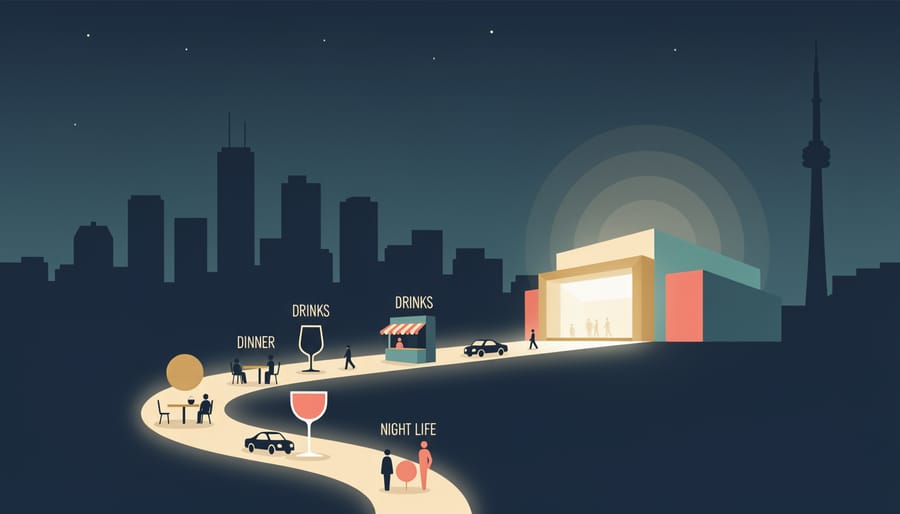
University concert programming doesn’t follow a fixed calendar, several dynamic factors reshape when performances occur and how travelers should time their visits.
Touring Artist Availability
International musicians dictate much of the schedule. When celebrated artists like James Ehnes tour North America, venues coordinate appearances around their routing, which explains why his October 2 performance at Koerner Hall anchors the fall season. Major artists often cluster Canadian dates within tight windows, creating concentrated opportunities for visitors but requiring advance planning.
Academic Calendar Integration
The Royal Conservatory’s teaching mission influences programming rhythms. Concerts avoid exam periods and reading weeks, creating gaps in the schedule that shift year to year. Family-friendly weekend matinees appear more frequently during school breaks, while weeknight performances cluster when students are on campus.
Cultural Festival Alignment
Toronto’s broader arts calendar shapes individual venue timing. Major festivals like Toronto Jazz Festival or Luminato draw artists who may add Koerner Hall dates before or after festival appearances, creating unexpected programming windows. These coordination patterns vary annually based on festival schedules.
Production Requirements
Large ensemble performances requiring extended setup time, full orchestras with specialized acoustics, cluster in periods when the hall can dedicate multiple consecutive days to single productions. Chamber concerts and solo recitals fill shorter booking windows throughout the season, offering more frequent attendance opportunities.
What to Watch For
Last-minute schedule changes can catch travelers off guard, especially when booking international trips around specific performances. While Koerner Hall’s published calendar provides reliable advance notice, artist availability, health issues, or touring conflicts occasionally shift dates or lineup details even after tickets go on sale.
Premium performances, particularly those featuring internationally renowned soloists or celebrating milestone events, tend to sell out quickly after the season announcement. If your trip centers on a specific concert like the James Ehnes 50th Birthday Tour or other marquee events, secure tickets immediately when they become available rather than waiting closer to your travel dates. Walk-up availability for such performances is rare.
Weather can also influence your concert experience during Toronto’s winter months. Heavy snowfall occasionally delays audience arrival or impacts pre-concert dining plans, though performances themselves rarely get cancelled. International travelers visiting between December and March should build buffer time into their concert-day itinerary and monitor local weather forecasts starting three days before the event to adjust travel logistics if needed.
Common Questions About Concert Series Timing
Planning a concert visit to Toronto raises practical questions about timing, availability, and how to make the most of your cultural journey. Here’s what travelers need to know.
When does Koerner Hall’s concert season actually start?
The 2026-27 season launches on June 16, 2026, with programming extending through spring 2027. The season features over 80 performances, giving visitors an extensive window for planning cultural trips around world-class concerts.
How far in advance should international visitors book tickets?
For marquee performances like James Ehnes’s 50th Birthday Tour on October 2, book two to three months ahead. General performances often have availability closer to showtime, but popular artists and weekend evening slots fill faster during fall and winter peaks.
Which month offers the best variety of programming?
October typically delivers the richest diversity, with back-to-back performances spanning classical masterworks, world music, and ensemble showcases. The early fall window combines touring artist availability with strong local programming.
Can I attend multiple concerts during a weekend visit?
Absolutely, programming often clusters performances on consecutive days or the same weekend. Early October 2026 shows this pattern with concerts scheduled October 2, 3, and 4, letting you build a multi-day cultural itinerary around several performances.
University concert venues rarely go completely dark during the academic year, though summer months see lighter programming as touring schedules shift and students disperse. If you’re combining concerts with other Toronto attractions, mid-September through November and February through April offer the densest calendars without holiday travel premiums. Weekend matinees provide flexibility for same-trip sightseeing, while evening performances let you experience Koerner Hall’s acoustics in the intimate nighttime setting the space was designed for.
Koerner Hall’s 2026-27 season demonstrates that exceptional musical experiences await throughout the year, not just during traditional cultural peaks. With over 80 performances spanning June through spring, you can align your Toronto visit with anything from James Ehnes’s 50th birthday celebration to intimate chamber explorations. The venue’s consistent programming rhythm means international travelers can weave concerts into business trips, domestic visitors can plan weekend escapes around specific artists, and cultural enthusiasts can build entire itineraries around sequential performances. Start by browsing the current season lineup to identify artists and programs that match your interests, then coordinate your travel around those anchor dates. Toronto’s vibrant arts calendar extends well beyond Koerner Hall, so consider layering theatre, galleries, and festivals into your concert-centered visit for a richer cultural immersion.