
The National Gallery of Canada houses one of the world’s finest collections of Canadian and Indigenous art, alongside exceptional European and contemporary works, spanning over 75,000 pieces across its iconic glass-towered halls in Ottawa. Whether you’re drawn to the haunting landscapes of the Group of Seven, the profound storytelling of Indigenous artists, or masterworks by Monet and Warhol, this institution offers an unparalleled window into both national identity and global artistic achievement.
Since opening in 1880, the gallery has evolved into a cornerstone of Canadian cultural life and a driving force behind Ontario tourism success. The building itself, designed by Moshe Safdie, stands as a work of art with its cathedral-like Great Hall offering sweeping views of Parliament Hill. Inside, you’ll encounter everything from powerful Inuit sculptures to Alex Colville’s haunting realism, from Renaissance masterpieces to cutting-edge installations that challenge and inspire.
Planning your visit means understanding how the collections flow across multiple wings, what temporary exhibitions are running, and how to make the most of guided tours and interactive programs. The experience goes far beyond viewing paintings on walls. It’s about connecting with stories, traditions, and creative visions that have shaped Canada and the wider art world.
The Collection: Canadian and International Masterpieces
Canadian Art: From the Group of Seven to Contemporary Voices
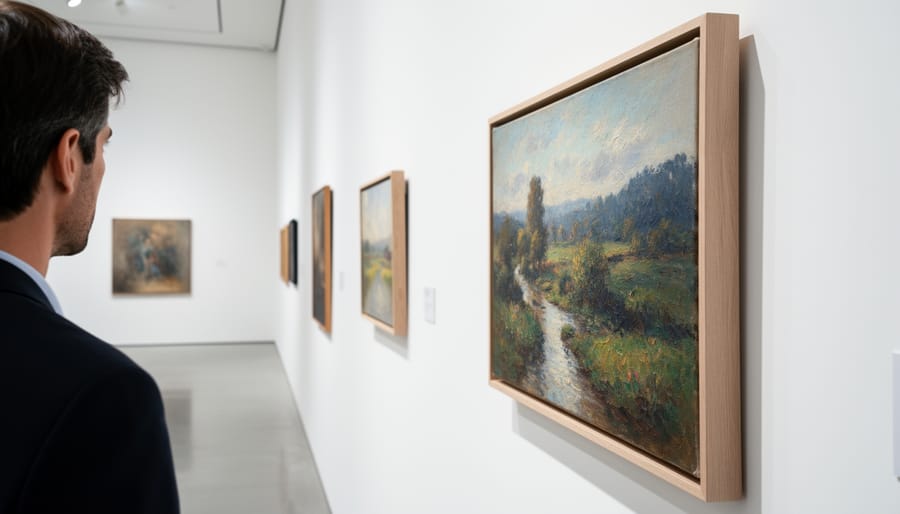
The National Gallery holds the world’s most comprehensive collection of Canadian art, with over 10,000 works spanning three centuries of creative expression. The Group of Seven paintings anchor the collection, Tom Thomson’s The Jack Pine and Lawren Harris’s North Shore, Lake Superior are centerpieces that draw visitors into the raw beauty of the Canadian wilderness. These iconic landscapes transformed how Canadians saw their own land, rejecting European traditions in favor of bold colour and expressive brushwork that captured the Shield country’s granite and pine.
Beyond these celebrated works, the gallery traces Canadian art’s evolution through Cornelius Krieghoff’s 19th-century habitant scenes, Emily Carr’s monumental West Coast forests, and the Automatistes’ radical abstractions. Contemporary galleries showcase living artists reshaping Canadian identity, Kent Monkman’s provocative historical reimaginings, Rebecca Belmore’s powerful installations addressing Indigenous experience, and Shary Boyle’s intricate sculptures exploring identity and mythology. This progression reveals Canada’s artistic voice maturing from colonial documentation to confident self-expression, with each generation adding layers to the national visual conversation. The collection demonstrates that Canadian art extends far beyond wilderness romanticism into urgent contemporary dialogues about place, identity, and belonging.
Indigenous Art and Cultural Expression
The National Gallery houses one of the world’s most significant collections of Indigenous art, representing First Nations, Métis, and Inuit artists across centuries. This isn’t a static historical display, it’s a living dialogue between traditional practices and contemporary expression that challenges visitors to see Indigenous creativity as central to Canadian identity, not a footnote.
Historic works include stunning Haida argillite carvings, intricate beadwork, and ceremonial regalia that demonstrate sophisticated artistic traditions predating European contact. These pieces sit alongside powerful contemporary installations by artists like Kent Monkman, Rebecca Belmore, and Brian Jungen, who reinterpret colonial narratives and reclaim Indigenous perspectives through sculpture, performance, and mixed media.
The gallery collaborates directly with Indigenous communities to ensure accurate context and respectful presentation. Wall texts often incorporate Indigenous languages, and curation reflects the understanding that these aren’t just artworks, they’re vessels of knowledge, ceremony, and resilience. Inuit prints and sculptures receive particular prominence, showcasing the Arctic’s distinct artistic voice through artists like Kenojuak Ashevak and Annie Pootoogook.
This collection grows continually, with acquisitions prioritizing Indigenous artists and decolonized storytelling that centers their voices in Canada’s cultural narrative.
European Masters and International Works
The National Gallery’s European collection spans five centuries, offering visitors a journey through Western art’s most influential movements. Beginning with Renaissance and Baroque masterpieces, the collection includes works by Simone Martini, Canaletto, and Rembrandt, providing a foundation in classical European painting techniques and religious iconography.
The Impressionist and Post-Impressionist galleries showcase pieces by Monet, Cézanne, and Pissarro, artists who revolutionized how light, color, and everyday subjects could be portrayed. These works demonstrate the dramatic shift from academic traditions to modern expression that shaped global art movements.
Moving into the 20th century, the collection features modernist pioneers including Picasso, Matisse, and Kandinsky. These galleries illustrate how European artists broke conventional boundaries through abstraction, cubism, and bold experimentation with form. The juxtaposition of European masters alongside Canadian works creates meaningful dialogue about how international movements influenced and diverged from Canadian artistic development. This global context enriches understanding of Canadian art’s unique characteristics while celebrating shared human creativity across cultures and continents.
Signature Exhibitions and Special Programs
The National Gallery of Canada refreshes its programming throughout the year with rotating exhibitions that range from ambitious international retrospectives to intimate showcases of emerging Canadian artists. These temporary exhibitions complement the permanent collection and give visitors compelling reasons to return, whether you’re drawn to avant-garde photography, historical surveys, or immersive contemporary installations.
Recent programming has featured everything from major European masters on loan from global institutions to solo exhibitions spotlighting Indigenous artists whose work challenges conventional narratives. The gallery frequently partners with other museums worldwide, bringing pieces to Ottawa that rarely travel, which means you might encounter a Vermeer, a Warhol, or groundbreaking video art during your visit. Check the exhibition calendar before you go, some shows require timed entry or separate tickets, particularly for blockbuster exhibitions that draw crowds from across the country.
Beyond the galleries, the institution runs artist talks, film screenings, and late-night events that transform the space into a cultural gathering place. Thursday evening programs often feature live music in the Great Hall, combining visual art with performance in ways that appeal to both serious collectors and curious first-timers. Family Sundays offer hands-on art-making workshops where children can experiment with techniques inspired by works on display, turning passive viewing into active creation.
The gallery also commissions site-specific installations and supports artist residencies, giving creators access to the collection and workspace to develop new pieces. You’ll sometimes encounter artists working in public view or participating in open studio sessions, offering rare glimpses into creative processes. These programs reflect the gallery’s commitment to being a living institution rather than a static repository, fostering dialogue between historical works and contemporary practice while nurturing Canada’s next generation of artistic voices.
The Building and Architectural Experience
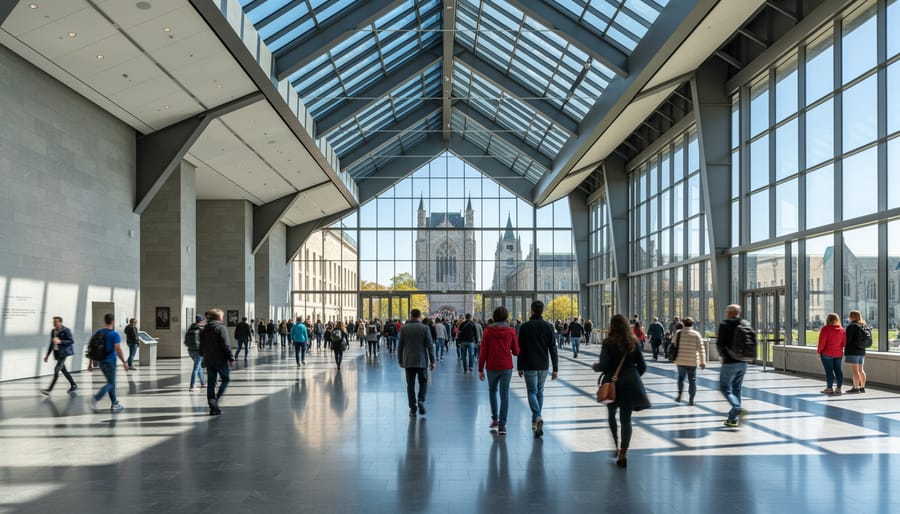
The National Gallery sits along the banks of the Ottawa River in a striking glass and granite building designed by renowned architect Moshe Safdie. Completed in 1988, the structure blends contemporary design with thoughtful nods to Canada’s architectural heritage, creating a space where the building itself becomes part of the artistic experience.
The crown jewel is the soaring Great Hall, a cathedral-like space flooded with natural light through its crystalline glass roof. Standing beneath the geometric glass vault, visitors gain sweeping views of Parliament Hill and the historic Nepean Point. This transparent architecture dissolves the boundary between interior galleries and the Ottawa landscape, allowing the Canadian capital to frame the art inside.
Safdie’s design philosophy shows throughout: natural light filters into exhibition spaces through carefully positioned windows and skylights, changing how you perceive the art as daylight shifts. The building’s angular lines and clean granite surfaces create a neutral backdrop that lets the artworks command attention without architectural competition.
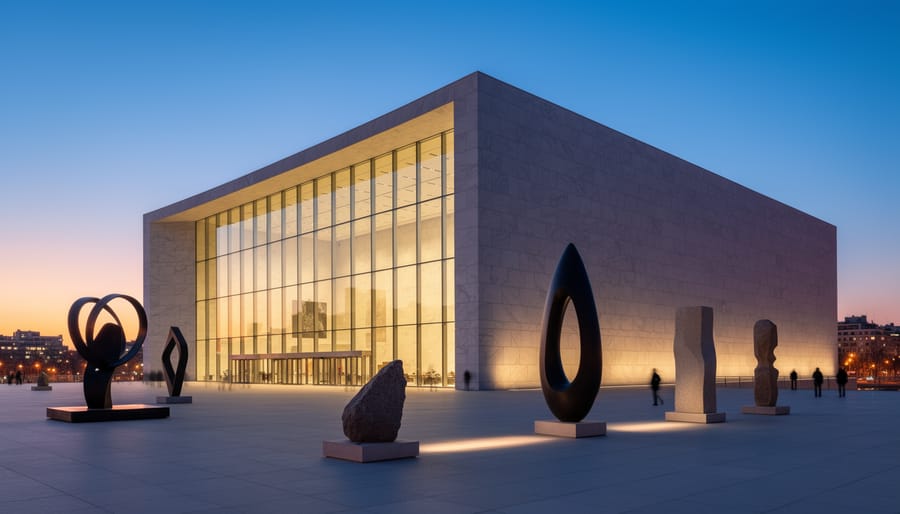
Outside, the gallery’s sculpture garden offers rotating contemporary installations and permanent pieces set against riverside views. The 19th-century Rideau Chapel, reconstructed within the gallery, provides an unexpected historical counterpoint, its ornate neo-Gothic interior stands in deliberate contrast to the modern galleries surrounding it.
Like Toronto’s Koerner Hall which marries form and function for acoustic perfection, the National Gallery demonstrates how thoughtful architecture elevates cultural experiences. The building doesn’t just house art, it shapes how you encounter it, turning a gallery visit into an immersive journey through light, space, and creative vision.
Planning Your Visit
Guided Tours and Educational Programs
The National Gallery offers docent-led tours that transform a casual visit into an immersive educational experience. Expert guides lead thematic tours focusing on specific collections, Canadian landscapes, Indigenous art, or European masters, providing historical context and artistic insights that bring the works to life. These complimentary tours run daily, with schedules varying by season.
Family programs make art accessible to young visitors through interactive workshops and storytelling sessions designed for different age groups. Children can explore art-making techniques, participate in scavenger hunts through the galleries, and engage with hands-on activities that connect them to the collection.
The gallery’s educational offerings extend beyond tours. Artist talks, lecture series, and specialized workshops allow visitors to deepen their understanding of specific movements or techniques. For those planning a broader Ontario art journey, the McMichael collection north of Toronto complements the National Gallery experience with its focus on the Group of Seven in a stunning natural setting.
Booking tours in advance ensures availability, especially during peak tourist seasons when group sizes fill quickly.
Amenities and Visitor Services
The gallery houses a full-service café offering light meals, pastries, and specialty coffee with views overlooking the Ottawa River, perfect for recharging between exhibitions. The boutique shop curates art books, exhibition catalogues, jewelry by Canadian designers, and unique gifts inspired by the collection, making it easy to bring home a meaningful souvenir.
Wheelchair accessibility extends throughout the building, with elevators connecting all levels and wheelchairs available at the coat check free of charge. The gallery provides sensory-friendly resources for visitors with cognitive disabilities, and service animals are welcome. Family-friendly amenities include stroller parking, nursing rooms, and children’s activity guides. Free Wi-Fi keeps you connected, and multilingual visitor guides ensure everyone can engage with the art. Lockers and coat check services let you explore hands-free and comfortably.
Frequently Asked Questions
How much does admission cost?
General admission is $20 for adults, with discounts available for seniors, students, and youth. Children under 12 enter free, and the gallery offers free admission on Thursdays from 5 to 8 PM.
Where can I park near the gallery?
The gallery operates an underground parking garage accessed from St. Patrick Street, charging standard daily rates. Street parking and public lots are also available nearby, though spaces fill quickly on weekends and during special exhibitions.
How long should I plan for my visit?
Most visitors spend two to three hours exploring the permanent collection and current exhibitions. If you’re attending a guided tour or special program, add another hour to your schedule.
Can I take photos inside the gallery?
Photography without flash is permitted in most areas of the permanent collection for personal use. Some temporary exhibitions and loaned works may restrict photography, so watch for posted signs.
Beyond these basics, consider that the gallery spans multiple levels, so comfortable walking shoes make a real difference. The coat check near the main entrance is free and worth using, especially during Ottawa’s colder months. If you’re visiting with young children, pick up a family guide at the information desk, these activity sheets keep kids engaged while you explore the collection.
The gallery’s mobile app offers detailed information about works on display and can help you navigate efficiently if you’re short on time. Download it before you arrive to save cellular data. First-time visitors often underestimate the collection’s size, so prioritize the sections that interest you most rather than trying to see everything in one visit. The Canadian and Indigenous art galleries make natural starting points, followed by whichever international collections speak to your interests.
The National Gallery of Canada stands as a testament to the power of art to define, inspire, and connect us across cultures and generations. Whether you’re captivated by the windswept landscapes of the Group of Seven, moved by the profound storytelling of Indigenous artists, or mesmerized by European masters, this Ottawa landmark offers an artistic journey unlike any other in the country. The gallery doesn’t just house art, it celebrates the evolving narrative of Canadian identity while embracing the broader currents of global creativity.
Beyond the canvases and sculptures, the experience itself becomes memorable: the light-filled Great Hall, the thoughtful curation, the moments of quiet reflection before works that span centuries. For visitors exploring Ontario’s capital, the National Gallery represents more than a museum visit. It’s an invitation to see how art shapes our understanding of place, history, and possibility. Whether you’re an art aficionado or a curious first-timer, the gallery rewards every visitor with discoveries that linger long after you’ve stepped back out into Ottawa’s vibrant streets. Make time to truly experience what this cultural treasure has to offer.